

– Additional reporting and photos by Cristina Espinosa and David Ajtun
Native American Heritage Month celebrates stories that began long ago and continue to grow through each new generation of students. At CSUN, culture is honored in everyday moments, in classrooms and at clubs and community spaces. CSUN Newsroom spoke with Matadors from diverse backgrounds who reflected on their tribal and family traditions that shaped them, the steps they are taking toward their academic and career goals and how they plan to give back to their communities.
CSUN recognizes the Sesevitam as the first people of Sesevenga, an ancestral and unceded homeland now occupied by our campus, and honors their elders and descendants who are citizens of the Fernandeño Tataviam Band of Mission Indians.
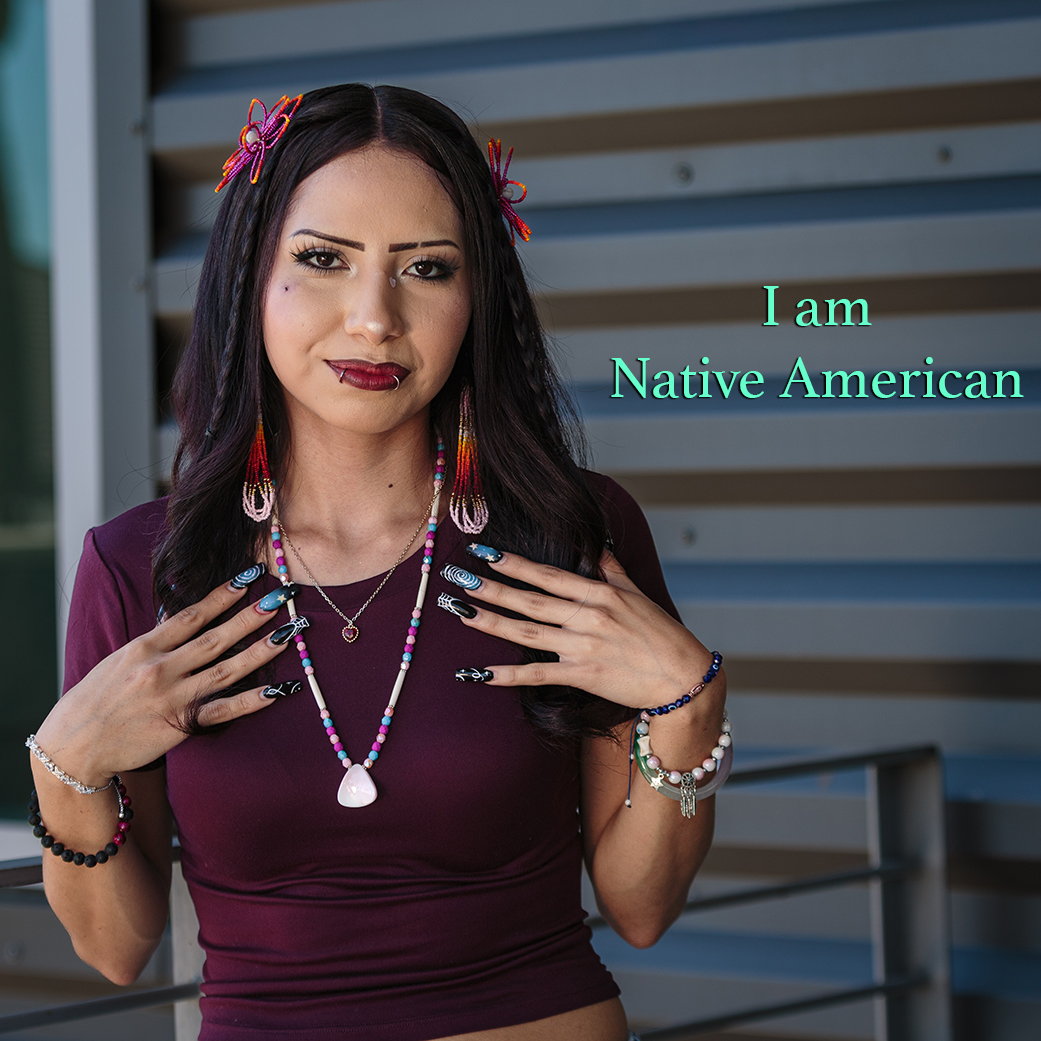
Shalisha Chavez, 20. “I am Native American (Southern Ute Indian Tribe).”
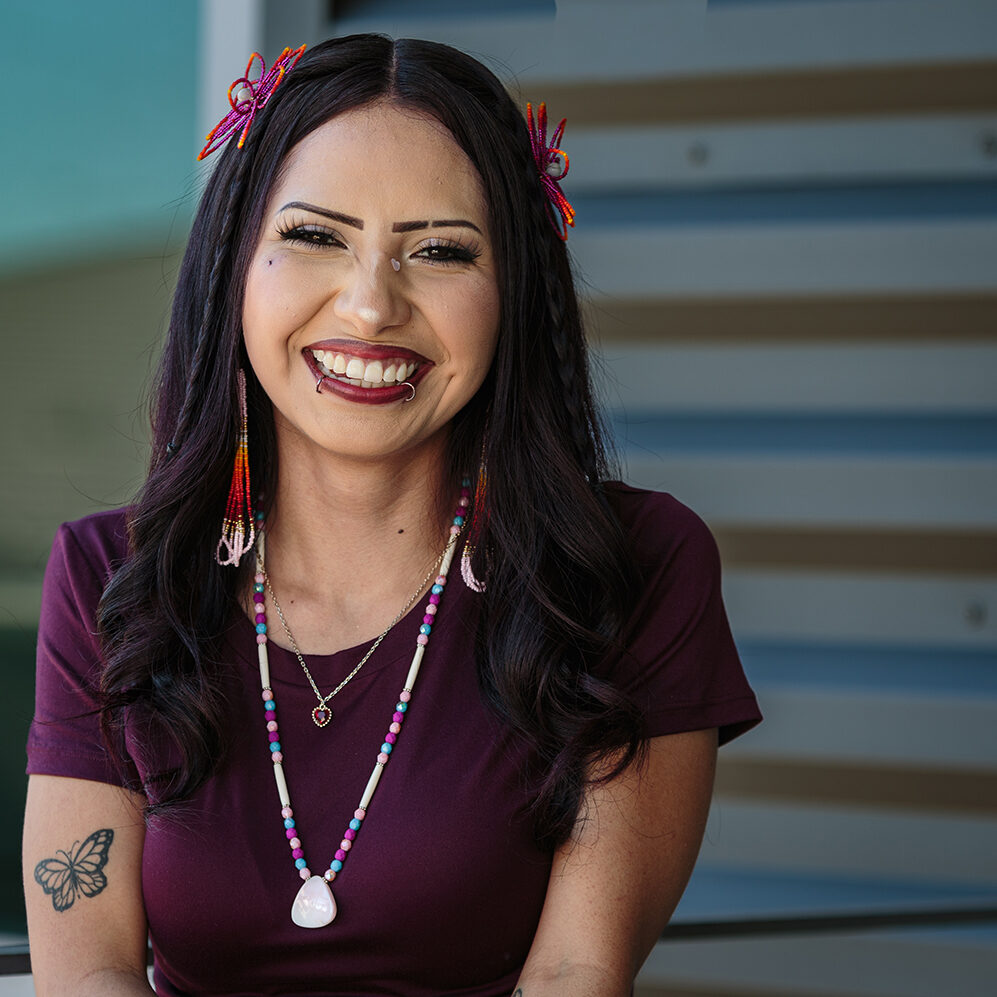
Chavez is an early childhood development junior from Colorado. When asked about the community traditions that have shaped her, she pointed to the gatherings of her childhood. “Events that bring together most of the community and most of my family … these help to keep our culture alive,” she told Newsroom. One highlight, she said, is her tribe’s annual Bear Dance, a spring social dance that dates back centuries and brings families together in celebration — where women choose their partners and the community gathers to welcome spring. “We have it every year, and the whole tribe comes out.”
Moving to a new city and starting at CSUN felt daunting, so she sought a home on campus where she could share who she is and build connections. “The American Indian Student Association really helped me. They gave me the opportunity to share who I am with the community [here at CSUN],” she said. Looking ahead, her post-college goals are rooted in service: “I hope to use my degree in my community and bring new resources and opportunities back to where I’m from.”
When asked to describe Native American Heritage Month in one word, Chavez said: “Pride.”
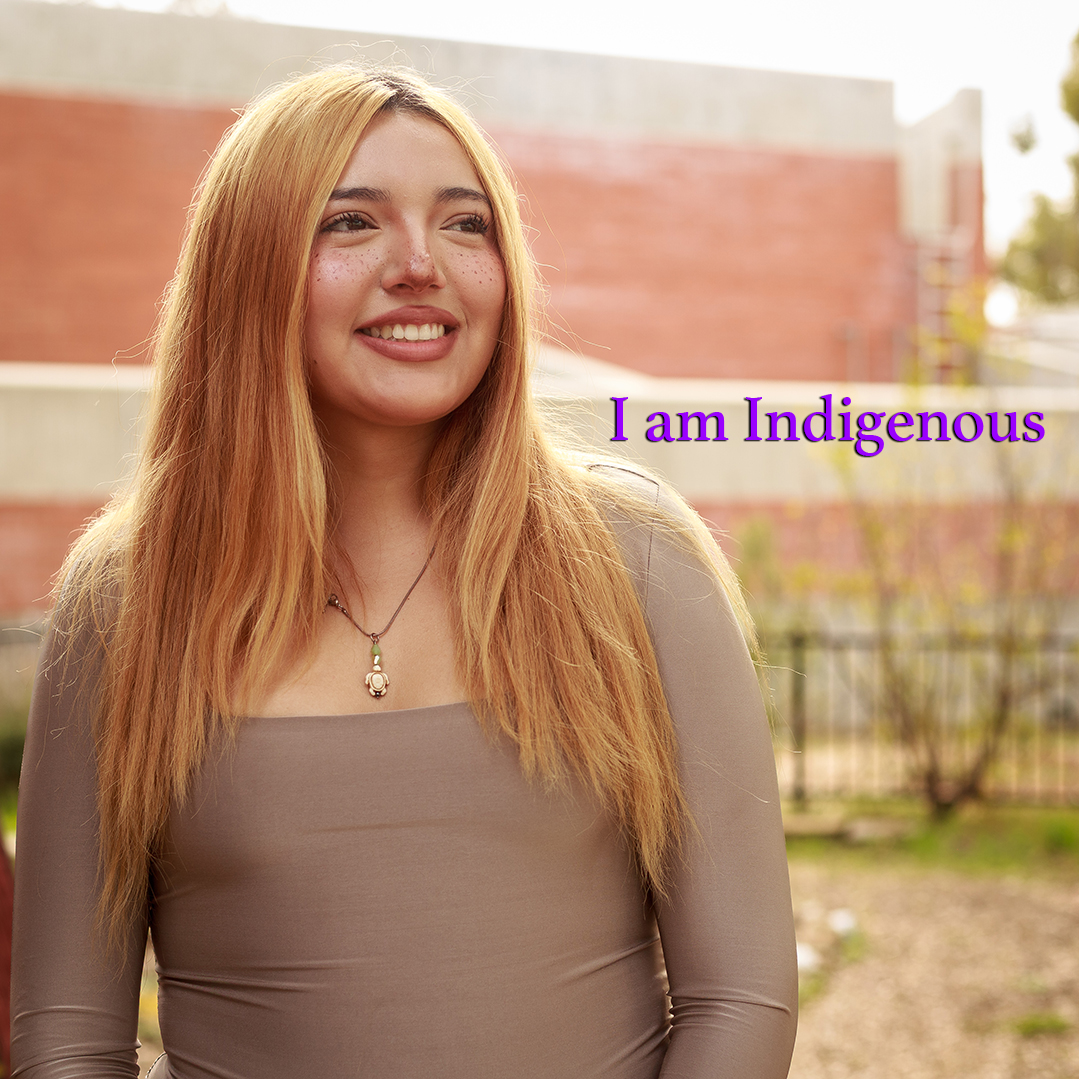
Kapuri Orozco, 19. “I am Indigenous (Mazahua/Rarámuri/Wixárika).”
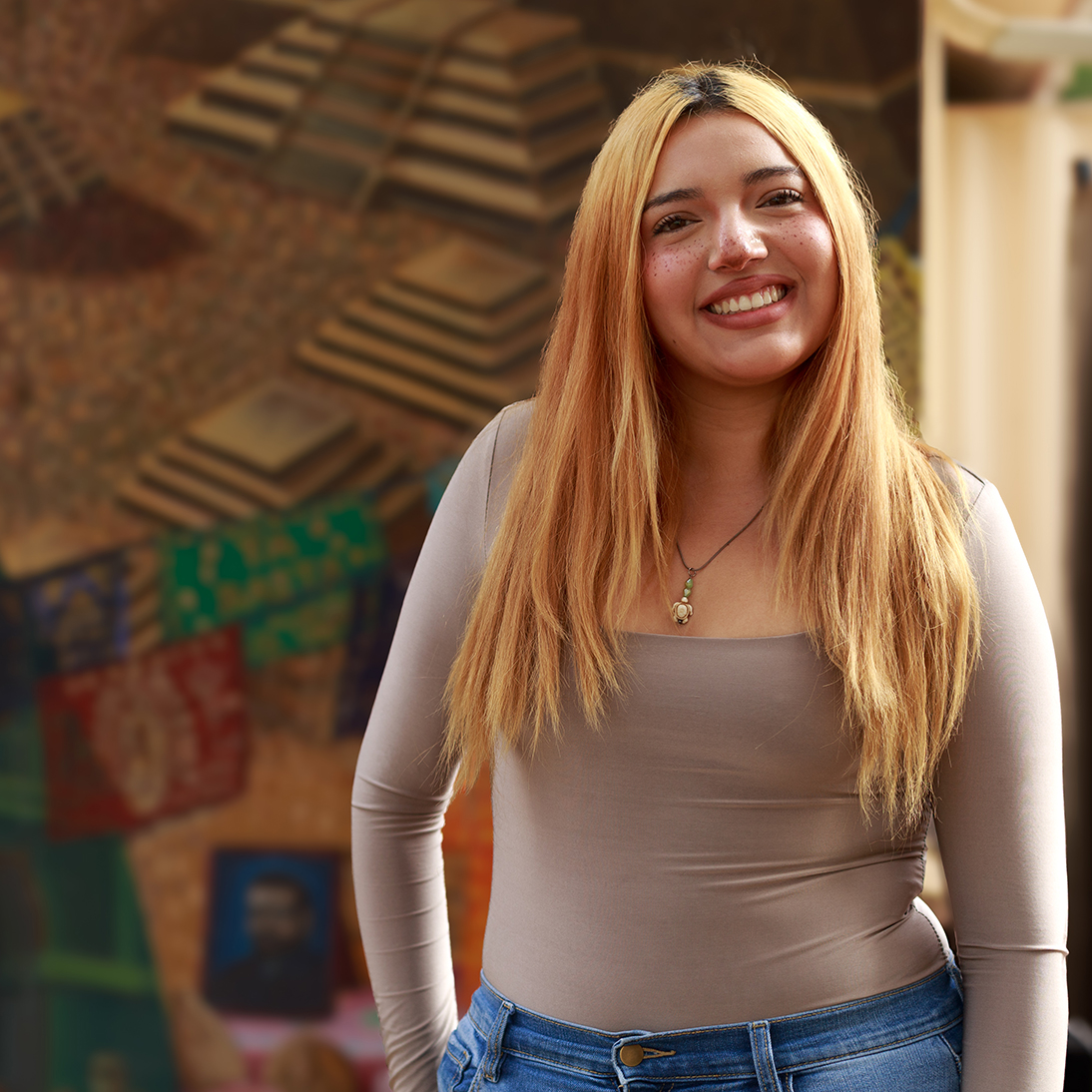
A political science sophomore and vice president of CSUN’s American Indian Student Association, Orozco found her footing at CSUN through involvement with the Fernandeño Tataviam Education and Cultural Learning Department. Working with the local tribe “really shaped how I saw myself,” she said. “It focuses on uplifting indigenous youth in the San Fernando Valley and creating positive identities for Native American youth, with cultural programming and tutoring.” The tribe’s summer camp was pivotal for her as a child, Orozco said. “Growing up going to their summer camp really helped me foster a positive identity,” she said.
On campus, she’s building habits that keep her career goals in view. “I locked myself in the library to force myself to focus on school and get assignments done,” she said. The political science major is already thinking about how to serve her community through the law. “I plan to go to law school after [graduation]. With my degree, I want come back and help the Fernandeño Tataviam tribe.”
Her one word for Native American Heritage Month: “Uplifting.”
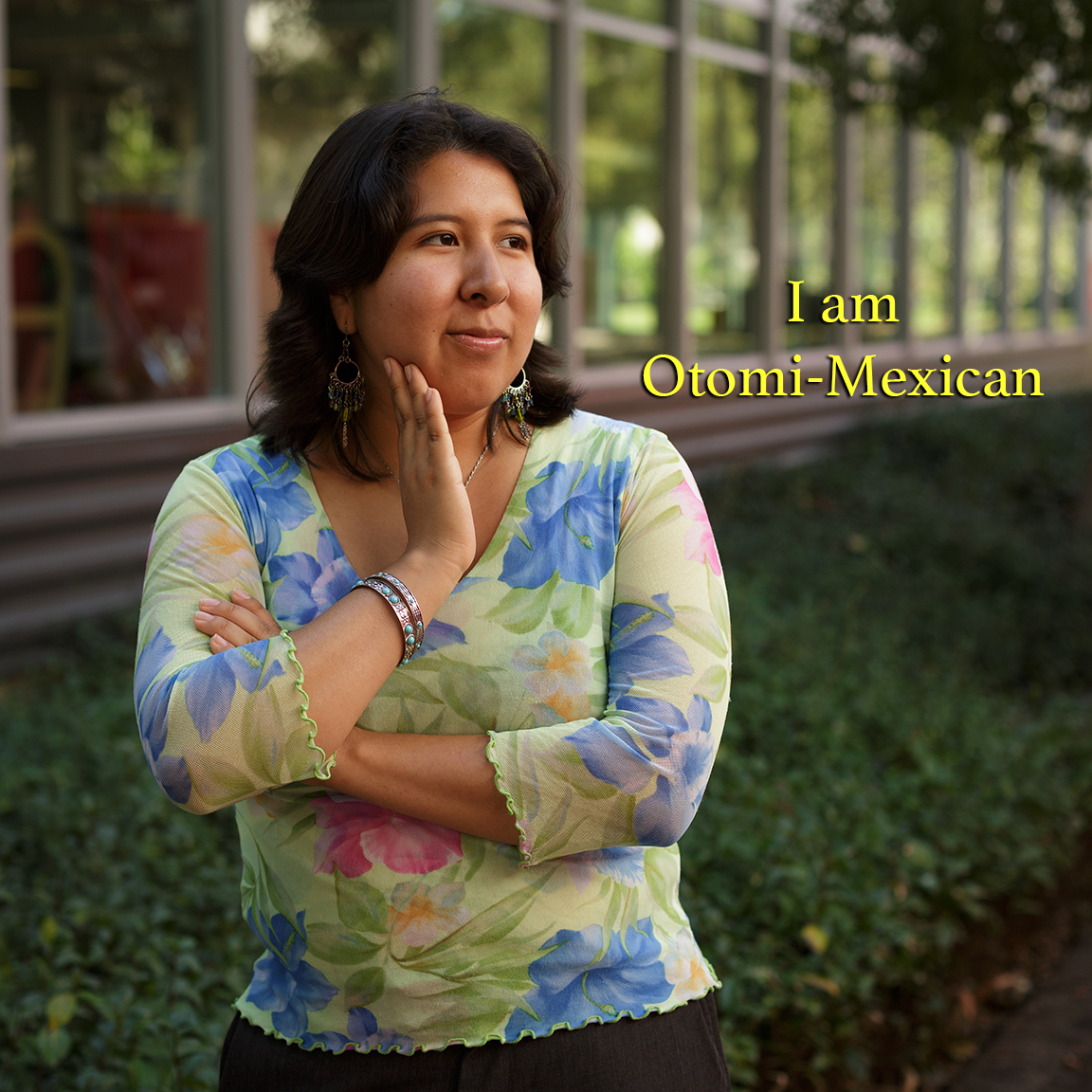
Nat Salas, 19. “I am Otomi-Mexican (Hñähñu).”
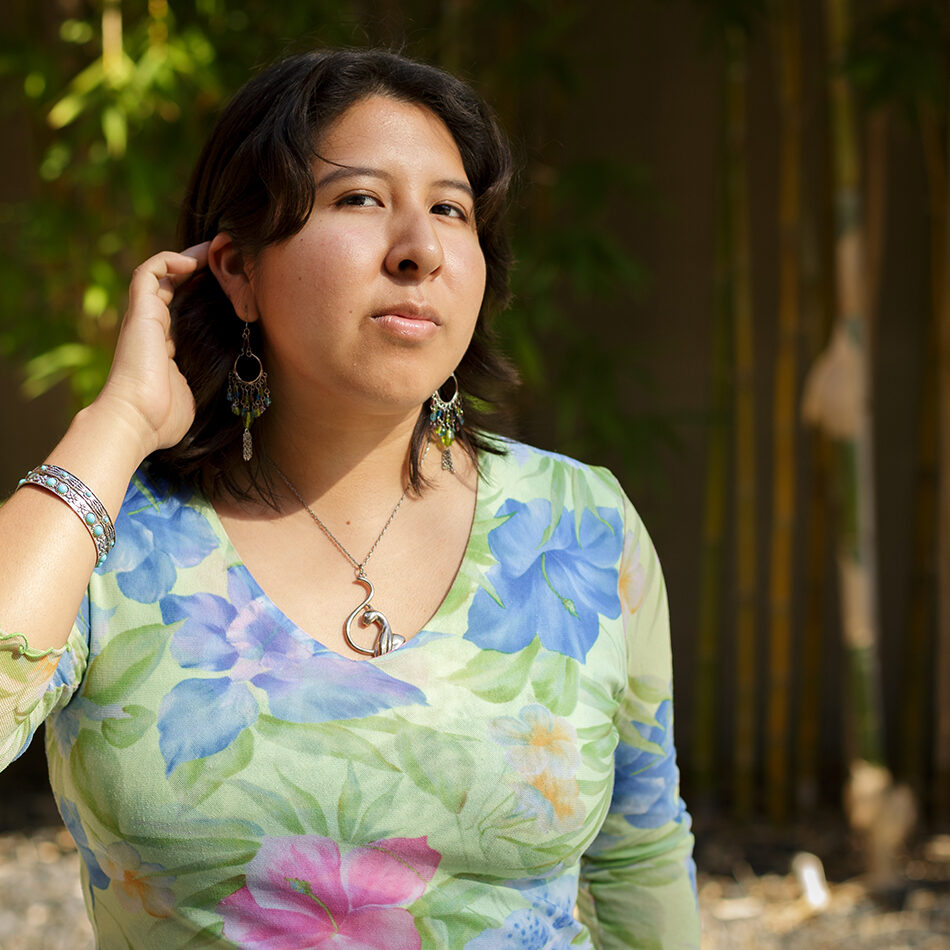
An undeclared sophomore with a minor in American Indian studies, Salas grounds their academic path in lessons about effort, focus and resilience, learned from family and community. They described the standard that guides how they learn and create: “Work hard to excel at your craft.” Their family has embraced this principle for generations, and that expectation of full effort and resourcefulness shapes how they take on challenges at CSUN, Salas said.
Faculty support at CSUN has helped turn those values into daily habits. “My mentor, David Boyns, he’s a professor of sociology [and the Bridge to the Future Scholars Program director] — he helps me out not just like with my studies but also mentally and emotionally,” they said. “Having that emotional support is helpful.” Salas is already busy serving their community. “I work with Fernandeño Tataviam Band of Mission Indians in their Education and Cultural Learning Department. I tutor [children in] kindergarten through 12th grade,” they said. “I have been able to learn a lot about children and also the work environment.” Salas sees a future in giving back to their community. “I plan to work within the tribe … maybe with management or marketing. I plan on helping out my community, my family and any artisans as well.”
Like fellow Matador Chavez, Salas also used “Pride” to describe Native American Heritage Month.
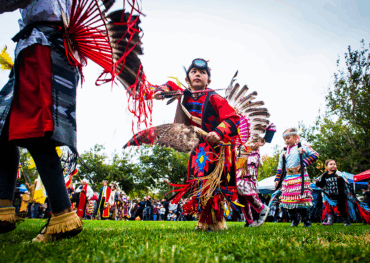
Learn more about CSUN’s Annual Powwow with CSUN Conversations.

Comments are closed.