
Media Contact: Carmen Ramos Chandler, carmen.chandler@csun.edu, (818) 677-2130
Newsrooms, most corporate owned, across the country have dramatically downsized and even disappeared as the internet and social media offer alternative ways to find out what’s going in the world.
As the news media landscape shifts, new organizations, often nonprofit, are sprouting up in hopes of filling voids left by traditional newsrooms whose smaller staffs are stretched thin and unable to cover all the “news” that impacts their areas.
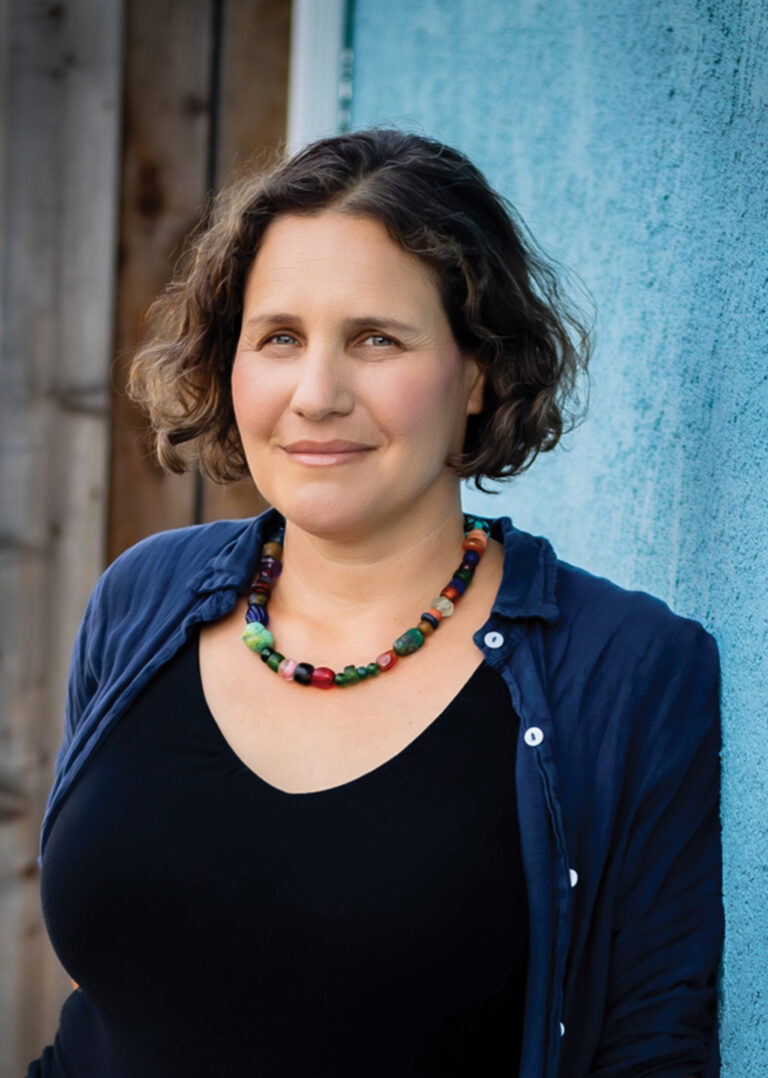
“For our government to work, for our communities to work, we really need news coverage, and the traditional news media market is not providing that public service,” said California State University, Northridge journalism professor Daniela Gerson. “Knowing what is happening increases civic participation. It also creates connection across neighbors. If you don’t have that, people don’t have that efficacy that they can change what is happening in their communities.
Gerson, who teaches in CSUN Mike Curb College of Arts, Media, and Communication, attributed the shift in the news media landscape to the advent of Craigslist.
“When classified advertising went away, it was the beginning of news outlets starting to collapse, particularly newspapers, and online advertising never caught up,” she said. “What’s been interesting is that Craig Newmark, who started Craigslist, has actually been a big funder of new media outlets.”
Gerson said the first “real news recession” hit in the late 2000s, as classified advertising dried up, social media use started to grow, and people were still figuring out how the web was going to work.
“People were giving away all the news coverage on the internet and not subscribing anymore,” she said. “On the one hand, news stories were getting out in ways they never had begore, but then the question arose of who was going to be paying for this? People doing the work deserved to be paid.”
With less money coming in, traditional news outlets downsized and coverage of some issues became sporadic. Nonprofit news organizations like ProPublica were created, often by laid off journalists, to fill the gaps. Many of these new outlets were issue focused, Gerson said, pointing out that ProPublica specializes in investigative reporting.
“ProPublica was one of the pioneers of this idea of figuring out a way to create nonprofit news in the public interest,” she said.
As new news outlets continue to pop up, often independent ones with a very small staff, new questions arise, Gerson said.
“Who is controlling the news? And how do you know what is credible?” she asked, adding that the questions not only apply to new news outlets, but also to traditional, corporate-owned entities.
“The move away from family-owned newspapers to owners such as hedge funds, corporations and billionaires who are not vested in the communities their publications serve raises concerns about what matters more: making more money or serving the community,” she said. “Now, on the other side, when reporters leave and create their own entities, the traditional idea of a gatekeeper shifts.”
She noted that there are a lot of individual “news purveyors” out there who have created their own outlet, whether on such platforms as social media or on Substack.
“If you just follow the individual, it raises questions about who’s backing them,” she said. “Who’s backchecking what they’re doing? Who’s ensuring the quality of the news product when it’s only an individual and, if they’re going off into challenging places, what are the legal protections?”
Despite the questions, Gerson admitted that “it’s an exciting time for news because of these people who are feeling like the news outlets can’t keep up quickly enough with what is going on, and they are creating new ways of creating news.”
“I think the challenge of our time is how do you connect opportunities that digital news and social media have opened up for reporting without losing the really important watchdog coverage, the verification that we really need?” she asked.
The good thing, she said, is that right now “we have a much lower barrier for more voices to enter, more people to share.”
Gerson said the right formula includes a combination of the “bad news” no one wants to hear but is necessary for understanding what is happening in the world and making informed policy decisions, and the “good news” that uplifts our spirits.
“I am encouraged by these new news outlets, particularly at the local level, who are trying to figure out a way to make it work,” she said. “I think they are on to something. It’s not there yet, but I do see sparks.”