

Media Contact: Javier Rojas, Javier.rojas@csun.edu, (818) 677-2130
Residents of Boyle Heights continue to face serious health and environmental impacts from the Lineage warehouse fire, which released toxic substances into the air for more than a week. The prolonged blaze exposed the community to hazardous air pollution, raising concerns about respiratory illnesses, environmental contamination and the long-term effects on public health.
As the community continues to recover from the immediate aftermath — including ongoing cleanup efforts and the odor from rotting food left inside the warehouse — many residents are angry and frustrated. Stevie Ruiz, a Chicana/o Studies professor at California State University, Northridge, called the fire is the latest example of a long history of environmental injustice that has disproportionately affected working-class communities living near hazardous industrial facilities and businesses.
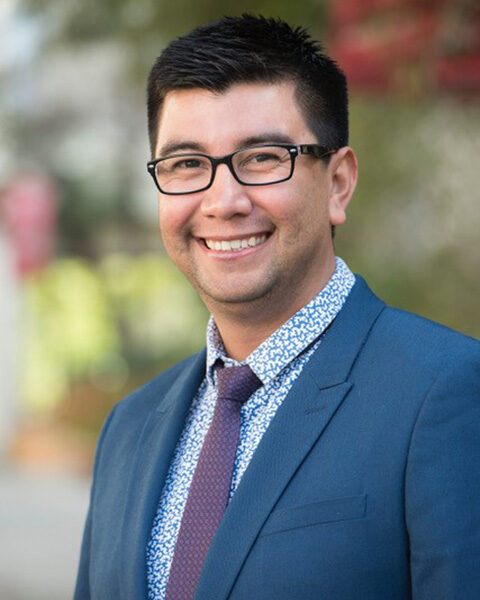
“Boyle Heights is considered a frontline community that has historically been impacted by environmental injustice, which essentially means that they have a greater pollution burden index than the rest of California,” Ruiz said. “This is sadly another chapter in a long history of outside entities coming and poisoning the neighborhood.
“Time and time again, we’ve seen these corporations have better rights than the community that lives around it,” he continued. “Which tells us a lot.”
While officials said there are no health concerns for the public, people living closest to the facility said they are worried about what they have been breathing in. The warehouse burned for eight days beginning June 17 and the flames ravaged solar panels and other industrial materials.
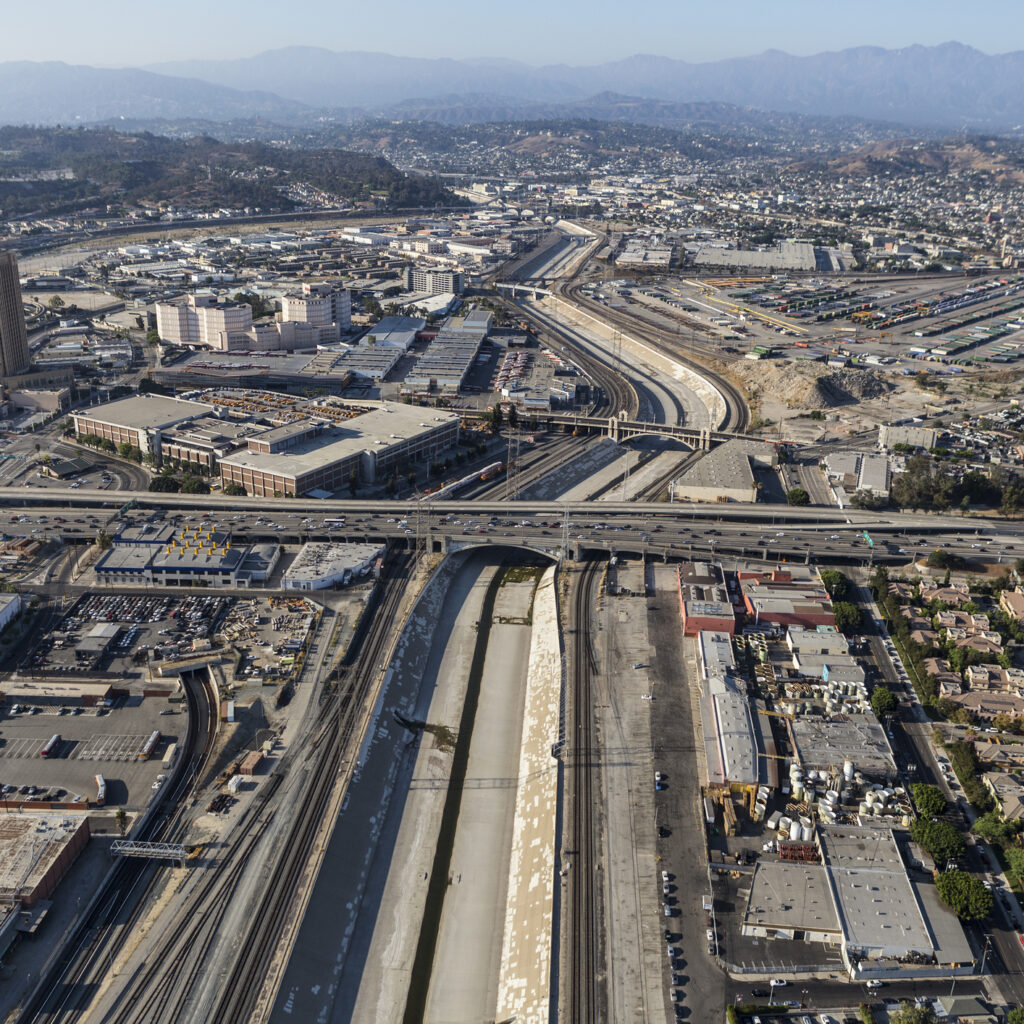
Ruiz, who recently published the book Stewards of the Land: Race and Reclaiming Environmental Labor (UNC Press, 2026), said the construction of several major freeways in Boyle Heights during the 1950s effectively created a pollution hotspot for many Latino residents. The issue has only got worse in the years that followed as a proliferation of warehouses and other industrial facilities moved into the area.
“On the surface level, this event is new to the community, but the people living here have dealt with an unequal burden of climate injustice for decades,” Ruiz said. “Boyle Heights is a laboratory for these escalating climate disasters that are happening across California that have been unduly met with a lack of transparent leadership. This neighborhood has been rocked by various institutional failures, but also public risk that civic leaders introduced to the community through policy planning.”
There are similarities between the Lineage warehouse fire and the May chemical tank leak at an aerospace manufacturing facility in Garden Grove, Ruiz said, noting how both incidents occurred in the middle of working-class neighborhoods.
“These corporations have intentionally placed and geographically located their industries next to these communities that they think are going to have the least push back, and that has been documented over and over again,” Ruiz said. “Even with environmental protections on the books, they have consistently failed a community. Why? Because no one has enforced them. All these warehouses that are in mostly Mexican American and immigrant communities have been put there intentionally. They didn’t come after, they didn’t come before, they were placed there after those neighborhoods were already built.”
While the fallout of these recent incidents continues, Ruiz said he is not optimistic that these catastrophes will spur long-needed change that these communities have long asked for.
“I think it is on the part of city officials and city leaders to start to rebuild trust, but that means they have to start learning from the community,” Ruiz said. “The first step is starting a conversation. But the biggest part of doing equity work or work of social justice is outcomes.”
“You measure things in rhetoric and if they actually materialize,” he continued. “This is not the community’s first rodeo, and I don’t think it’ll be their last because the communities that the city allegedly is serving aren’t at the table.”


Comments are closed.