

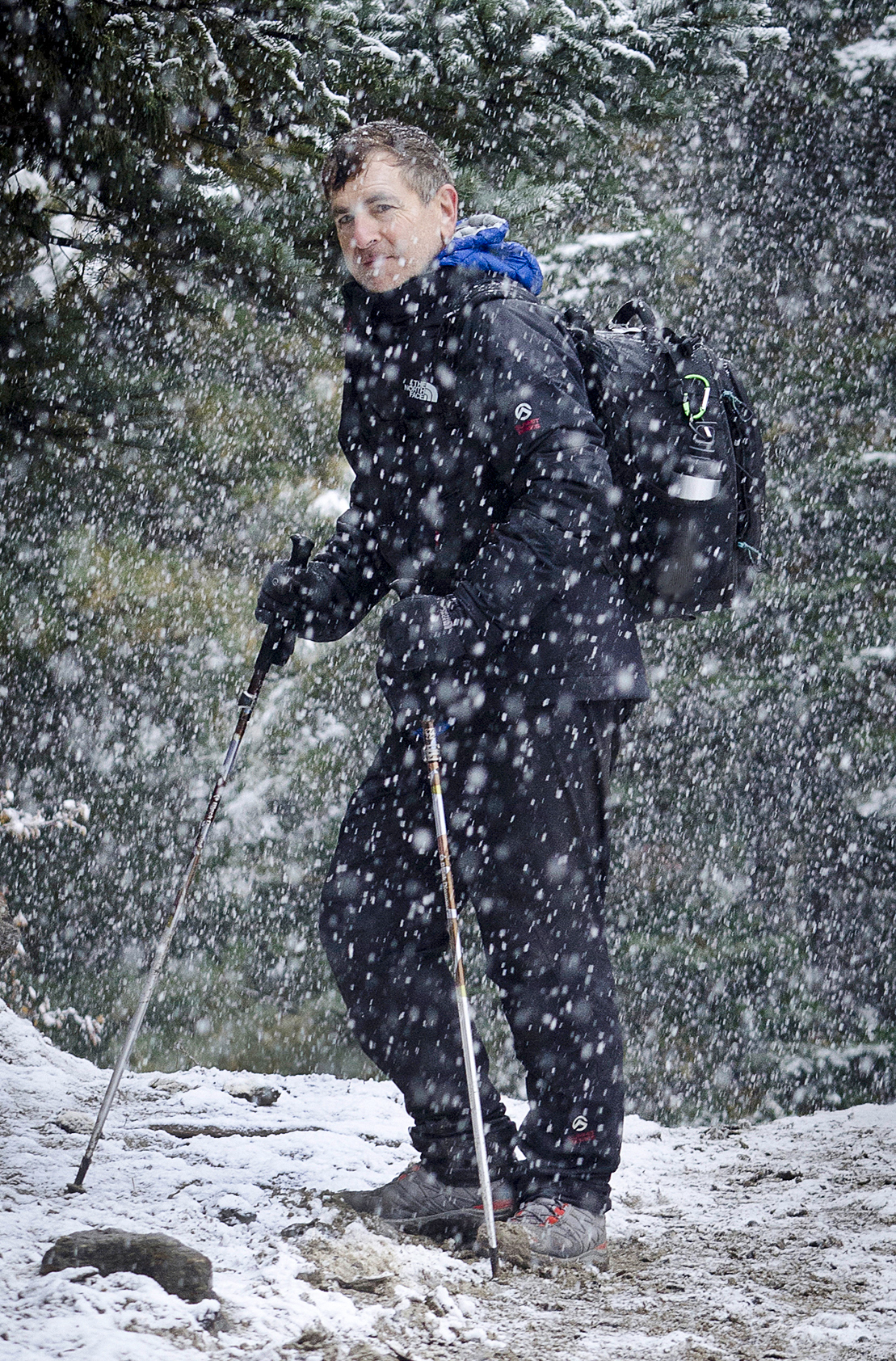
Photography assignments have taken Mark Edward Harris to more than 100 countries on all seven continents. His work has appeared in Vanity Fair, LIFE, The New York Times, The Washington Post, Time, National Geographic Traveler and other major publications. His books have explored people, places and cultures around the world, including “The Way of the Japanese Bath,” a project that has gone through four editions, as well as “North Korea,” “Inside Iran” and “The People of the Forest.” But before his books, numerous awards and accolades, and assignments to some of the most inaccessible places on the planet, Harris ’81 (History) shared his path came into focus in a CSUN darkroom.
“I remember the exact moment that I truly fell in love with the magic of photography,” Harris said. While studying history at CSUN, he happened to sign up for a darkroom photography extension class. He had grown up interested in photography, inspired in part by family road trips and his father’s own photography, but he never had learned to develop images himself. That changed under the red light of the darkroom, as he watched an image slowly appear in the developer.
“It absolutely blew me away,” Harris recalled. “I was fascinated by it and found I could lose myself for hours at a time in the darkroom. While I kept my major in history at CSUN, I peppered my schedule with photo classes. For the last 20 years, I have been completely digital — but the magic of photography that I discovered in the darkroom has never left me.”
That early spark in capturing images did not pull Harris away from history. It gave him another way to explore it. As he continued studying history at CSUN and later pursued graduate work in history and photography at Cal State L.A., Harris began building a career that uses images to examine people, places, cultures and historic moments with deeper context.

“My long-term photo essays as well as my shorter features are almost always infused with history or have a major cultural component, or a combination of the two,” Harris said. That perspective can be seen in his books on North Korea, Iran and the Japanese hot spring tradition, as well as his stories on wartime Ukraine. For Harris, understanding the past helps shape the way he documents the present. “Having a deep understanding of history, I would like to think, gives my stories more depth,” he said.
CSUN also gave Harris practical tools that continued to shape his work long after graduation. The classes he took, the research habits he developed and the campus resources he used all laid the foundation for a career built on writing, photography and deep visual storytelling.
“Every class I took, in some form, has given me more knowledge that I have incorporated in my life and work,” he said, noting that computers were just starting to emerge at the time, and CSUN was where he first touched a computer keyboard. That early exposure connects directly to his work today, since computers are “how I write my stories and process all my photos these days,” he said.
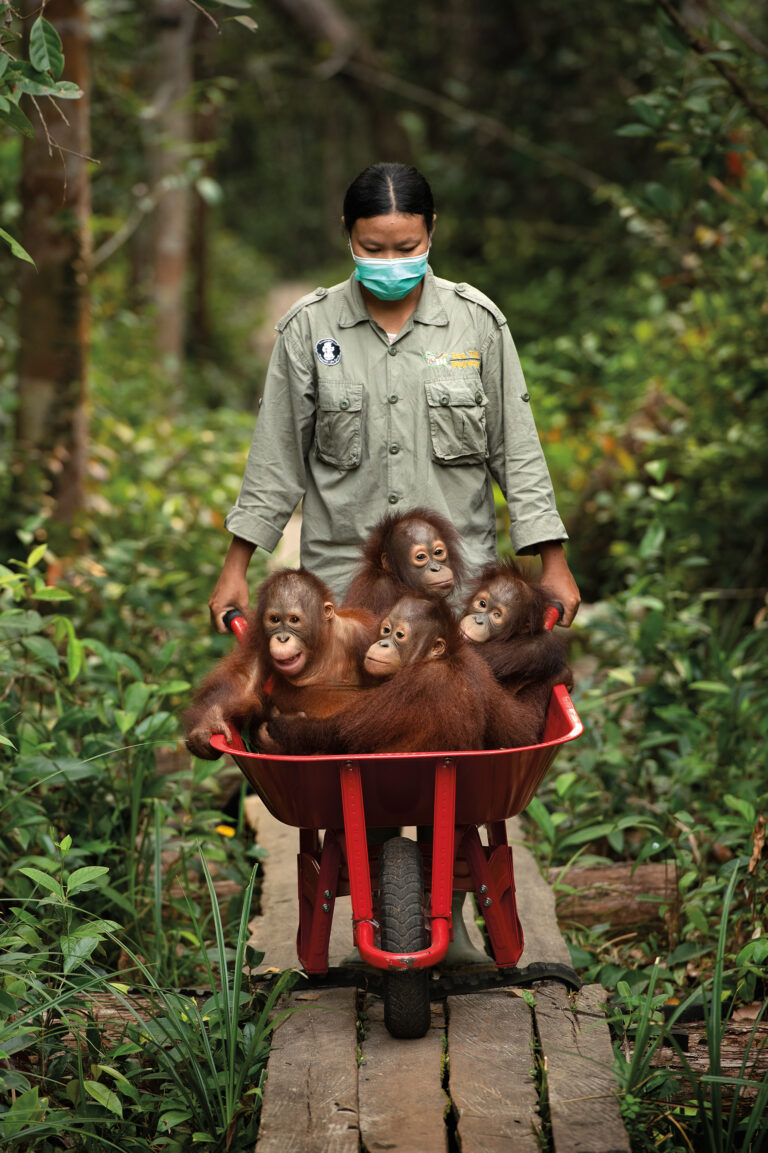
His history classes, meanwhile, helped teach Harris how to research, a skill that remains essential to his long-form photo essays and documentary work. “I have fond memories of all the time I spent at CSUN’s magnificent library,” Harris said.
Looking back, Harris sees CSUN as the place where two lasting interests came together.
“My time at CSUN laid the groundwork for what I have been doing for the past four decades,” he said. “It’s where I learned photography, and where I developed and refined my interest in history.” Building a career as a freelance photographer was not always easy, he said, but the journey has been meaningful. “My path has not always been smooth — surviving and prospering in the freelance world seldom is,” Harris said. “But it’s definitely been worth the journey.”
For students still figuring out how their interests might become a career, Harris’ path offers a reminder that a future does not always arrive fully formed. Sometimes it begins with one class, one new skill or one experience that opens a door.
His advice to current and future Matadors is to stay curious and keep exploring. “Take a variety of classes and don’t overly stress about your future,” Harris said. “It took a number of years for my career path to clearly come into focus. The key is to just keep moving forward. Take classes, go to museums, travel. Experience as much as you can while you can.”
Asked what image he would show his younger self walking into that CSUN darkroom for the first time, Harris chose the photograph below, featuring a North Korean traffic officer in Pyongyang in 2008.
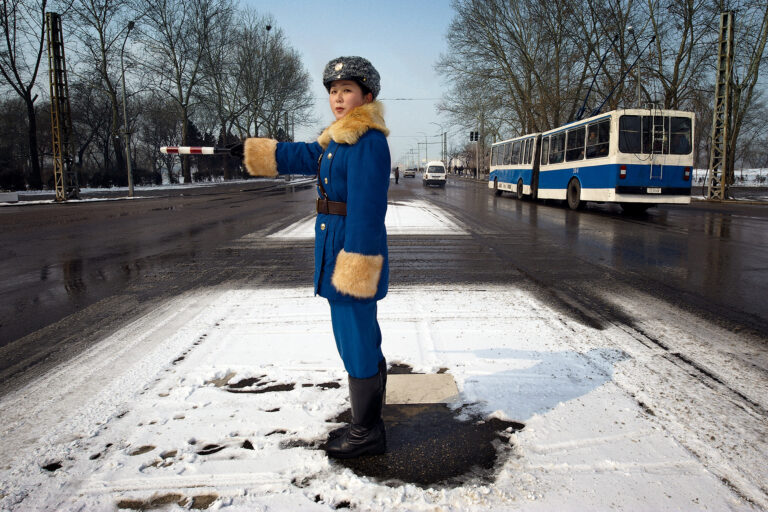
The photograph graces the cover of his book, “North Korea,” which won Book of the Year at the International Photography Awards. For Harris, the image represents the distance between that first afternoon in the CSUN darkroom and the career that followed. It would show his younger self how that early spark eventually helped him reach “some of the most inaccessible places on the planet and come out with strong images,” he said.
See more of Harris’ work on his website and Instagram account.
Harris’ CSUN experience helped him turn his interests in history and photography into a career in storytelling, travel and discovery. Apply to CSUN and begin building your own Success Story.


Comments are closed.